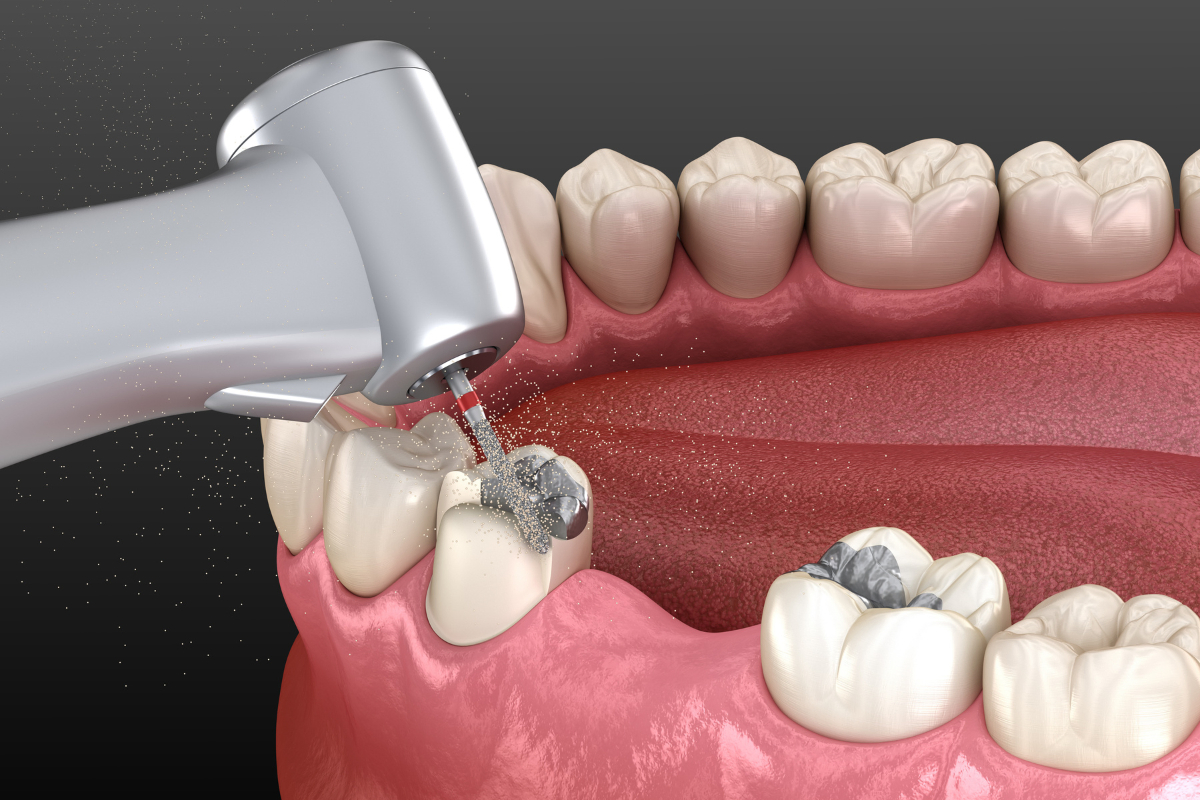
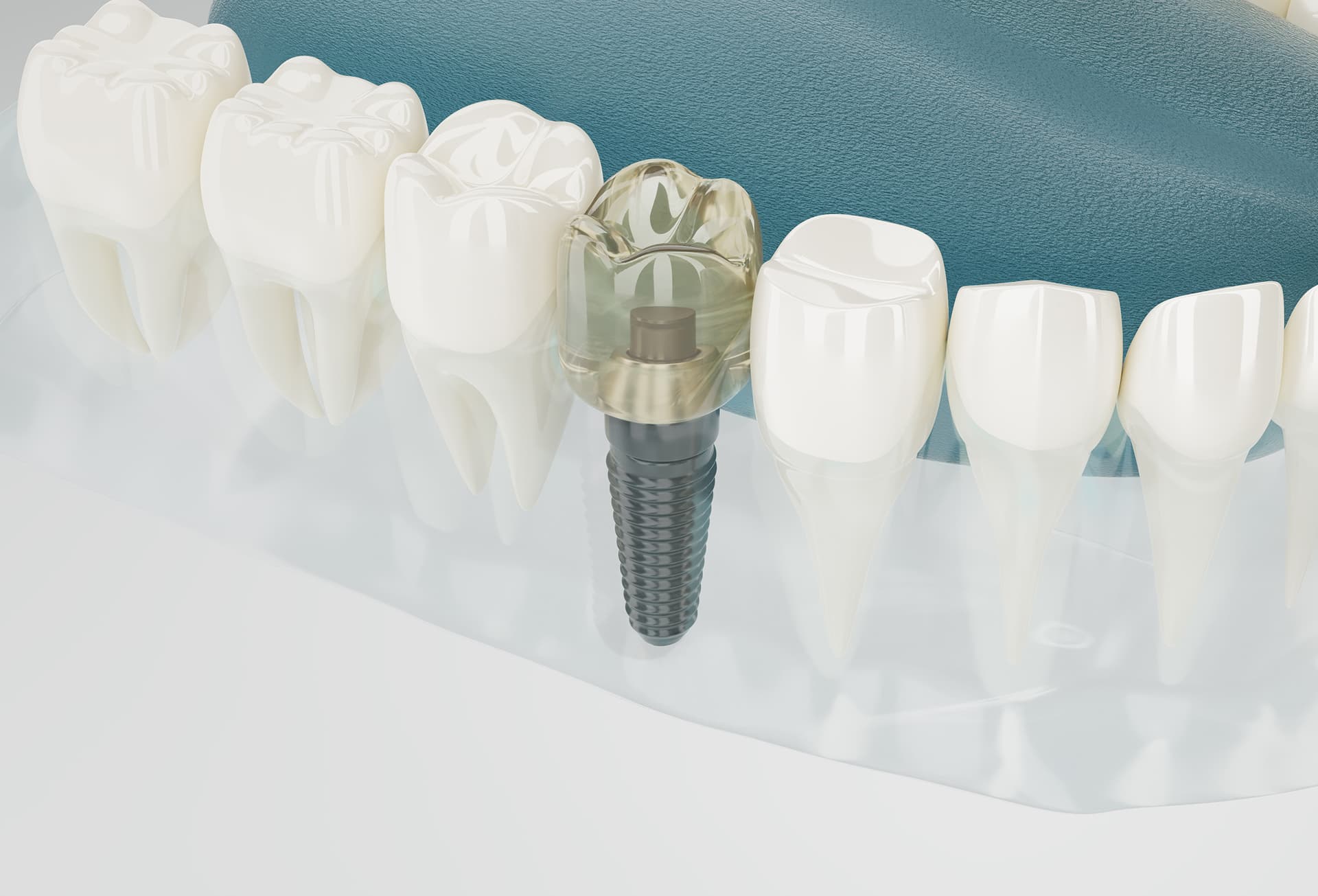
What's the Difference Between a Crown, Inlay, and Onlay?
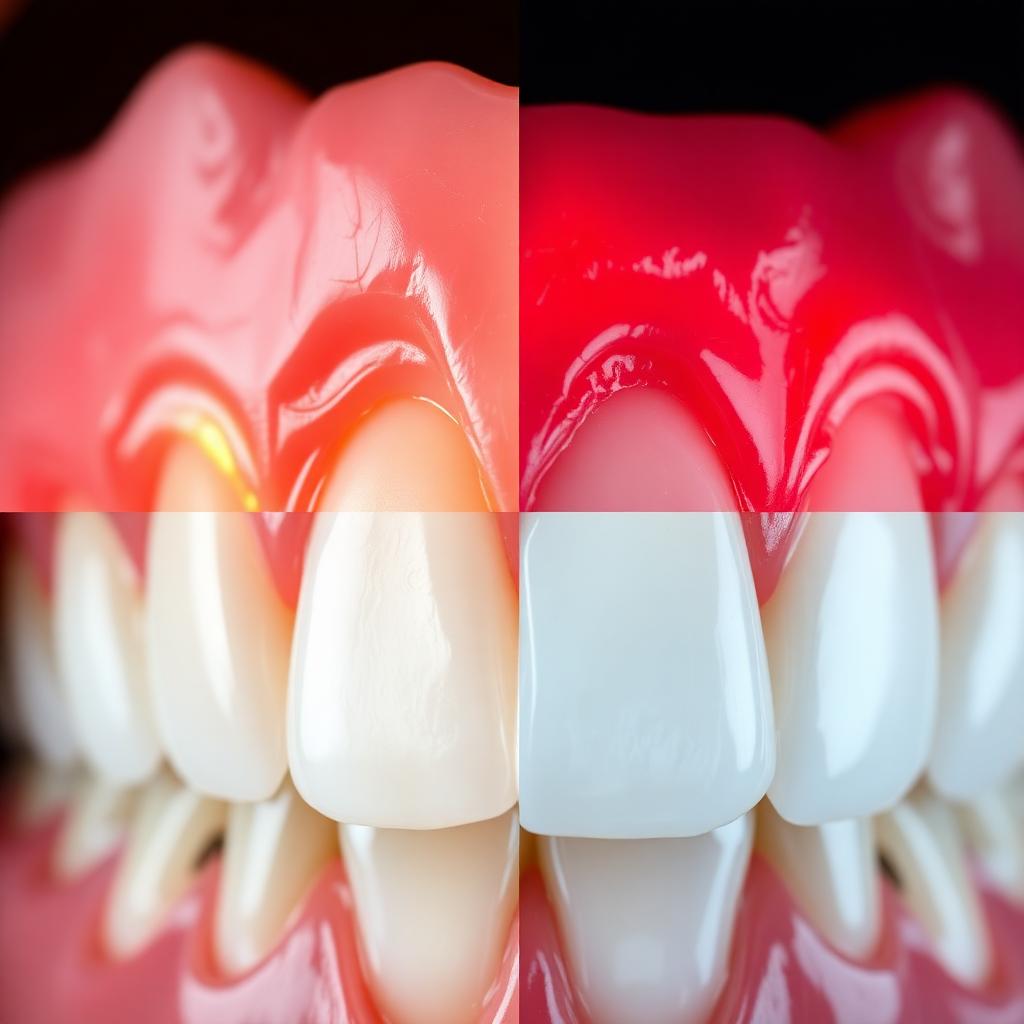
Crowns, inlays, and onlays all restore damaged teeth—but they cover different amounts of the tooth. Learn when each is used and how to understand your dentist's recommendation.
Dental health tips, treatment guides, and news from Y2K Dentistry.
Crowns, inlays, and onlays all restore damaged teeth—but they cover different amounts of the tooth. Learn when each is used and how to understand your dentist's recommendation.
Both porcelain and zirconia crowns can restore damaged teeth beautifully. But which is stronger? Compare durability, aesthetics, and when each material is the best choice.
A dental crown restores and protects a damaged tooth. Learn the common situations that require a crown—from root canals to large fillings to cracked teeth.
Dental bridges can replace missing teeth for years—typically 10–15 years or more with proper care. Learn what affects lifespan and how to maximize yours.
Dental implants get a lot of attention—but dentures remain a practical, affordable option for many people. Learn when dentures make sense and how modern dentures have improved.
Crowns don't last forever. Learn the signs that yours may need to be replaced—from wear and damage to decay at the margins.

Dental implants cost more upfront than bridges or dentures—but they can last a lifetime and prevent bone loss. Here's how to think about the value and whether they're right for you.
Considering a dental implant? Learn the step-by-step process from consultation to final crown—and what to expect at each stage.
Bone grafts aren't always required for dental implants—but when bone loss has occurred, they can make the difference between success and failure. Learn when they're needed and what to expect.
Dental implants are designed to last a lifetime—and with proper care, they often do. Learn what affects longevity and how to protect your investment.
When replacing multiple missing teeth, you have options: implant-supported crowns (one implant per tooth) or implant-supported bridges (fewer implants supporting multiple teeth). Compare the pros and cons.
Recovery from dental implant surgery is usually straightforward. Learn what to expect in the days and weeks after placement—and how to support healing.
Periodontal treatment addresses gum disease—from early gingivitis to advanced periodontitis. Learn what it involves and who benefits from professional care.
Gum disease progresses in stages—from reversible gingivitis to periodontitis with bone loss. Understanding the difference can help you act at the right time.

Gum recession exposes tooth roots and can cause sensitivity and aesthetic concerns. A gum graft can restore coverage and protect the tooth. Learn when it's needed and what to expect.

Removing mercury amalgam fillings requires special protocols to minimize exposure. Learn how safe removal is done and what to look for in a qualified provider.
Bleeding gums are often dismissed as 'normal'—but they're usually a sign of gum disease. Learn why you should take them seriously and what to do about it.

The answer depends on the stage. Gingivitis is reversible; periodontitis is not—but it can be stopped. Learn what's possible and what to expect from treatment.

TMJ disorder can cause jaw pain, headaches, and clicking. Learn the common causes—from grinding and clenching to arthritis and bite issues—and what can be done.

Night guards are often recommended for jaw pain and teeth grinding. Do they actually work? Here's what the evidence shows and what to expect.

Sleep apnea is more than snoring—it's repeated pauses in breathing during sleep. Learn the warning signs and why your dentist may be the first to suspect it.

Snoring can disrupt sleep—yours and your partner's. Your dentist may be able to help with oral appliances that keep the airway open. Learn how and when it's appropriate.

Chronic bad breath often originates in the mouth—from bacteria, gum disease, or dry mouth. Learn the common causes and what you can do about it.

TMJ disorder doesn't just affect your jaw—it can cause headaches, neck pain, and even shoulder tension. Learn the connection and how treating the jaw can relieve pain elsewhere.

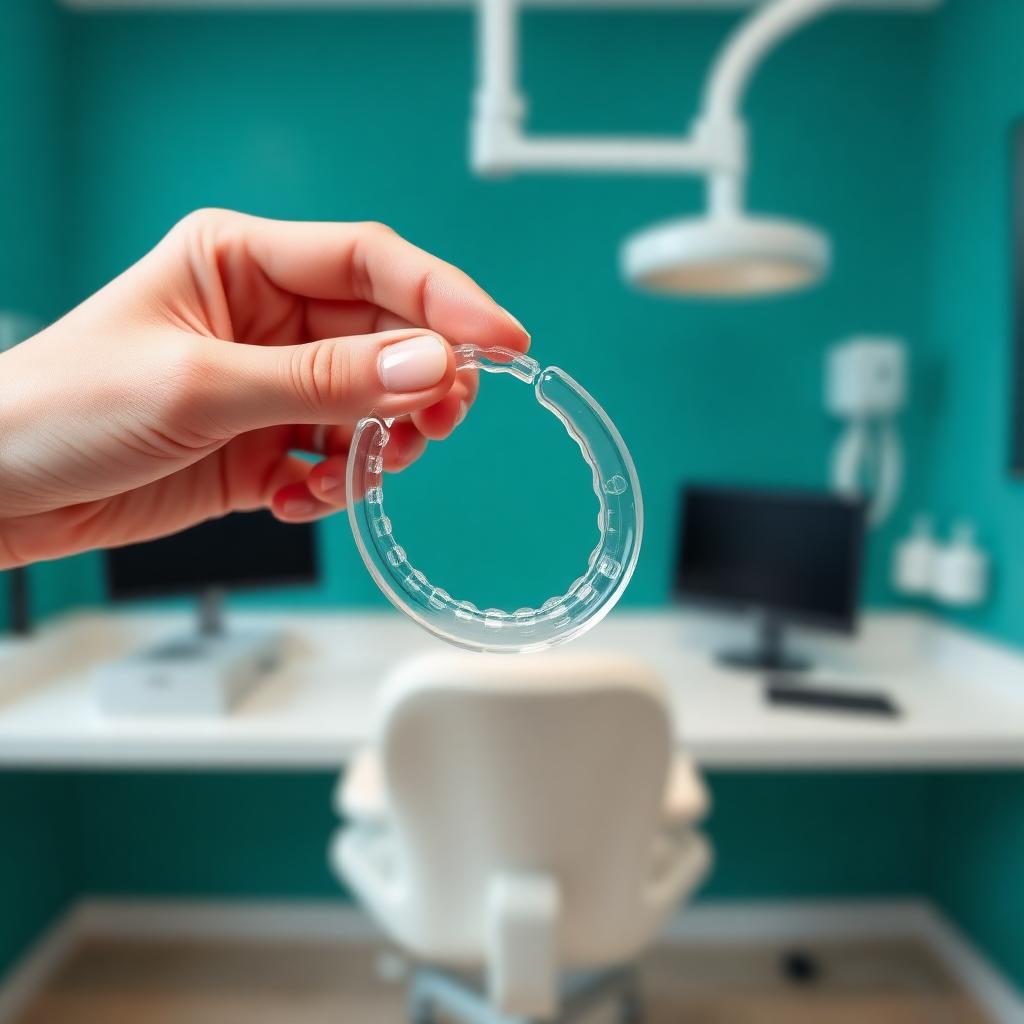
Clear aligners have become hugely popular—but do they actually straighten teeth? The short answer: yes. Here's the evidence and what you need to know for the best results.

Your first orthodontic visit is about evaluation and conversation—not commitment. Learn what happens during the consultation and what questions to ask.

It's never too late to straighten your teeth. Adults can achieve excellent results with braces or clear aligners. Learn what's different about adult orthodontics and what to expect.

Clear aligner treatment timelines vary—typically 6 to 18 months depending on case complexity. Learn what affects duration and what to expect from start to finish.

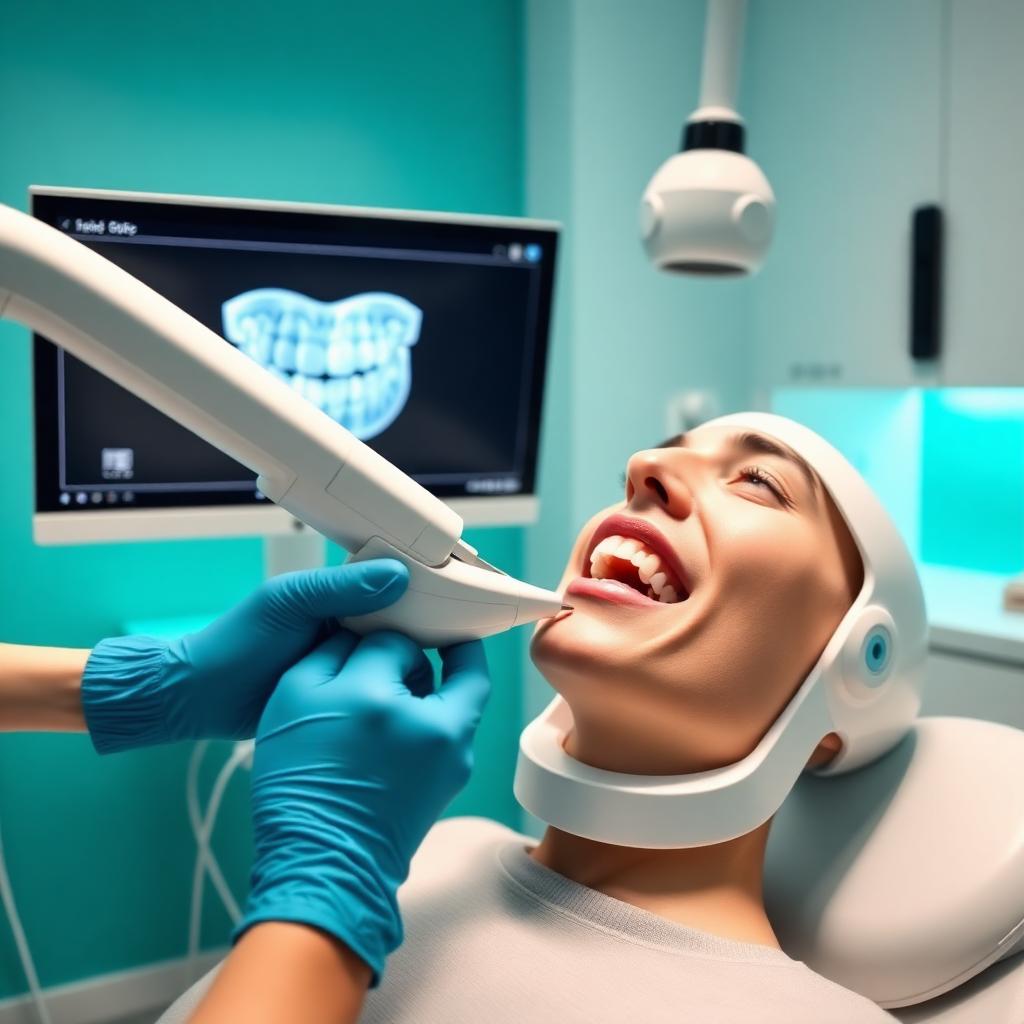
3D dental scanning replaces messy impressions with a quick, comfortable digital scan. Learn how it improves accuracy, comfort, and treatment planning for braces and aligners.

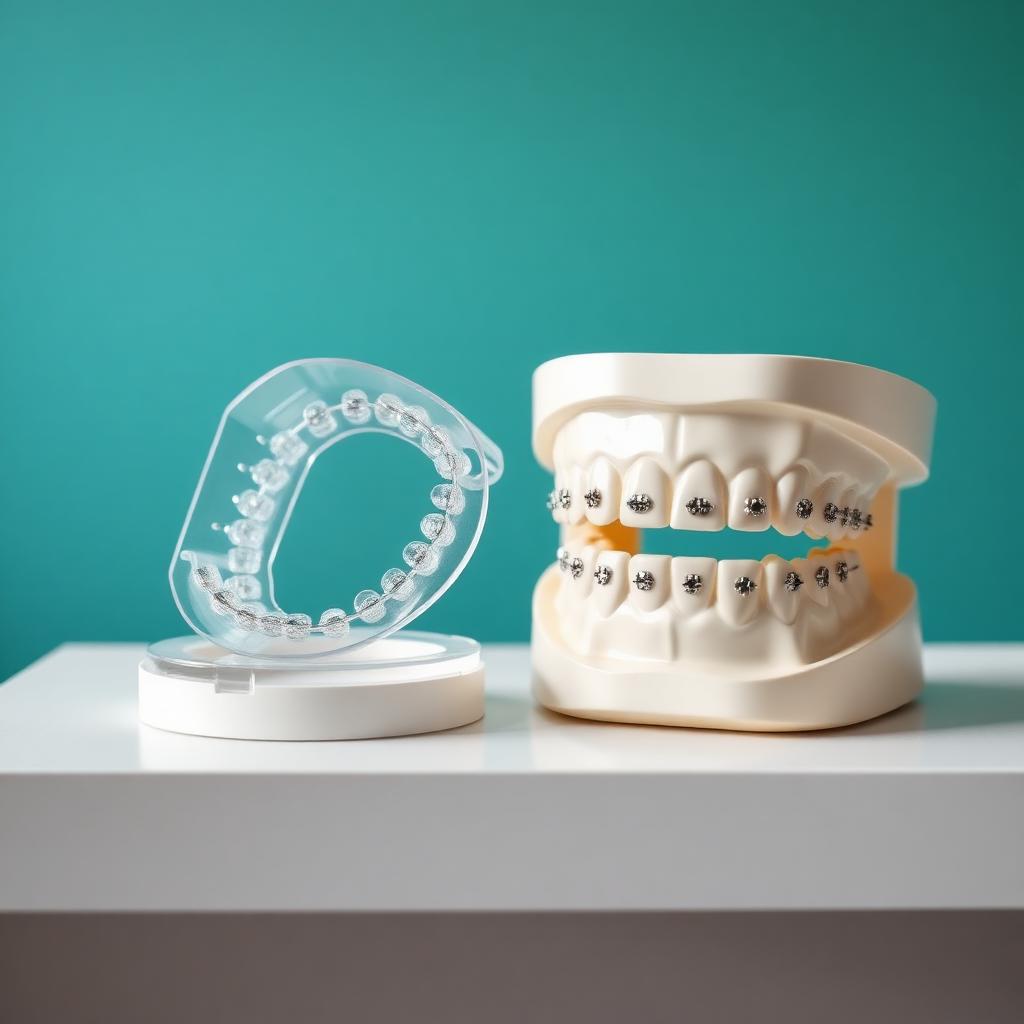
Both clear aligners and traditional braces can straighten your teeth—but they work differently. Compare the pros and cons to find the right fit for your lifestyle and goals.

A smile makeover can transform your appearance and confidence—but is it right for you? Learn what makes a good candidate and what to expect from the evaluation process.

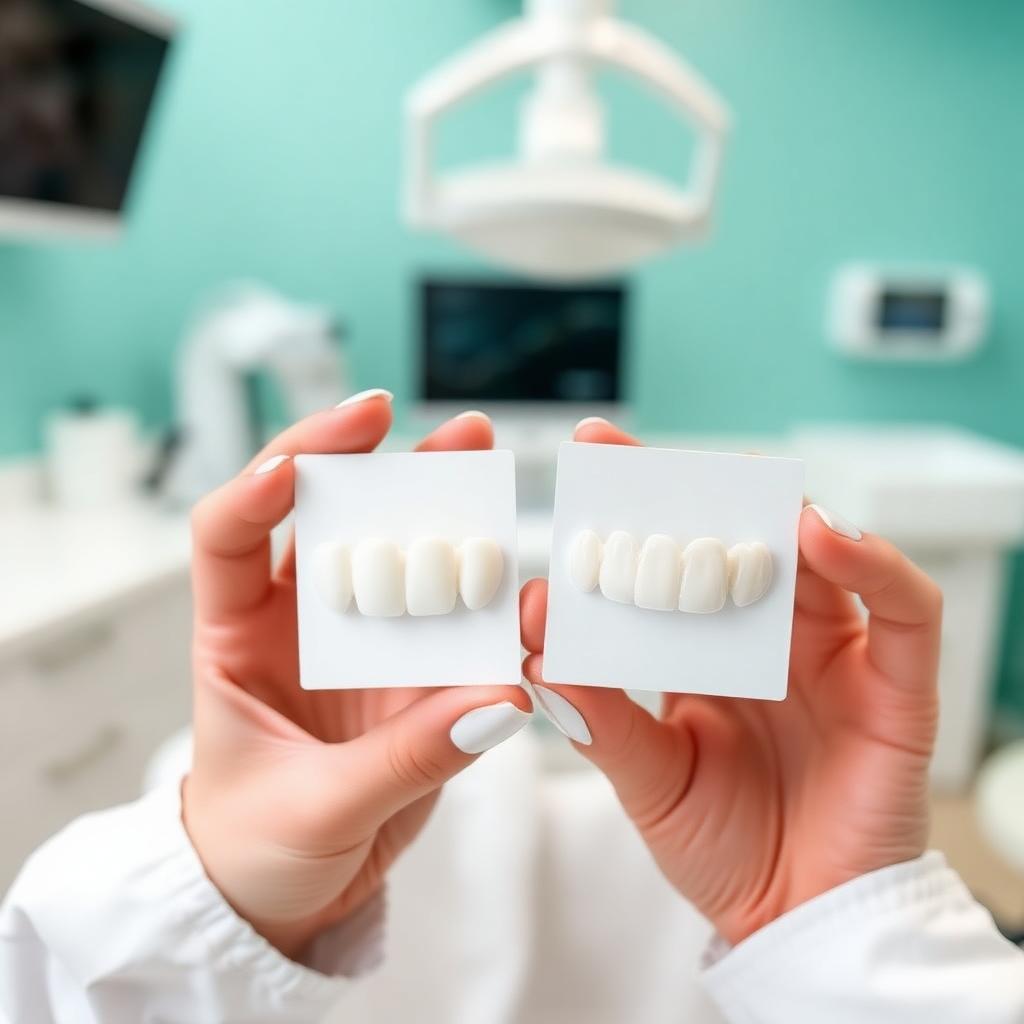
Veneers and crowns both restore and beautify teeth—but they're designed for different situations. Learn when each is used and how to understand your dentist's recommendation.

Cosmetic dentistry is an investment—in your smile, your confidence, and sometimes your oral health. Here's how to think about the value and whether it's right for you.

Dental bonding is a versatile, minimally invasive option for repairing chips, reshaping uneven teeth, and closing small gaps. Learn when it works best and what to expect.

Porcelain veneers are an investment in your smile. Learn what affects their lifespan, how to care for them, and what to expect—typically 10–15 years or more with proper maintenance.

Both porcelain veneers and dental bonding can transform your smile—but they work differently. Learn the pros, cons, and how to choose the right option for your goals.

Root canals have a reputation for being painful—but that reputation is outdated. Here's the truth about what to expect during and after modern root canal therapy.

Some dental issues can wait. Others can't. Learn which warning signs warrant an emergency visit—and why ignoring them can lead to serious complications.

Recovery from a tooth extraction is usually straightforward—but knowing what to expect can ease anxiety and help you heal properly. Here's your guide to the first 24 hours and beyond.

Root canals have a bad reputation—but the procedure is often the key to saving a tooth and relieving pain. Here are five signs that may indicate you need one.

When a tooth is infected or severely damaged, you have options. Learn the pros and cons of root canal therapy versus extraction—and how to decide with your dentist.

Tooth extraction isn't always obvious. Learn the signs that indicate a tooth may need to be removed—from severe decay to overcrowding—and why acting early matters.

Jaw pain, clicking sounds, headaches, and facial tension may be signs of TMJ disorder. Learn about treatment options and how Y2K Dentistry can help restore comfort and proper jaw function.

Chronic mercury exposure from dental amalgam fillings can cause a wide range of symptoms. If you recognize any of these signs, contact Y2K Dentistry for safe, professional removal.

Most people have heard the rule: visit the dentist every six months. But is that timeline right for everyone? The ideal cleaning schedule depends on your oral health, risk factors, and lifestyle habits.

Regular dental visits do more than keep your smile bright. They play a crucial role in preventing serious health issues and catching problems early.

Both dental implants and bridges can replace missing teeth. Learn the pros and cons of each so you can make an informed decision with your dentist.

A comprehensive dental exam is more than 'just checking your teeth.' It's a full evaluation of your oral health, jaw function, and even early signs of systemic health concerns.

Many patients worry about radiation exposure from dental X-rays. The good news? Modern digital X-rays are extremely safe and use up to 80–90% less radiation than traditional film.

Gum disease is one of the leading causes of tooth loss in adults — and it often develops silently. Learn the early and advanced signs, and what you should do about it.

Preventive care isn't just about clean teeth — it's about protecting your long-term financial health. Small problems become big problems when left untreated.

Dental anxiety is more common than you think. But avoiding care often makes problems worse. Here are the most common reasons adults skip visits — and why it's worth overcoming them.
Have questions about your dental health? Schedule a consultation and let us help you achieve your best smile.